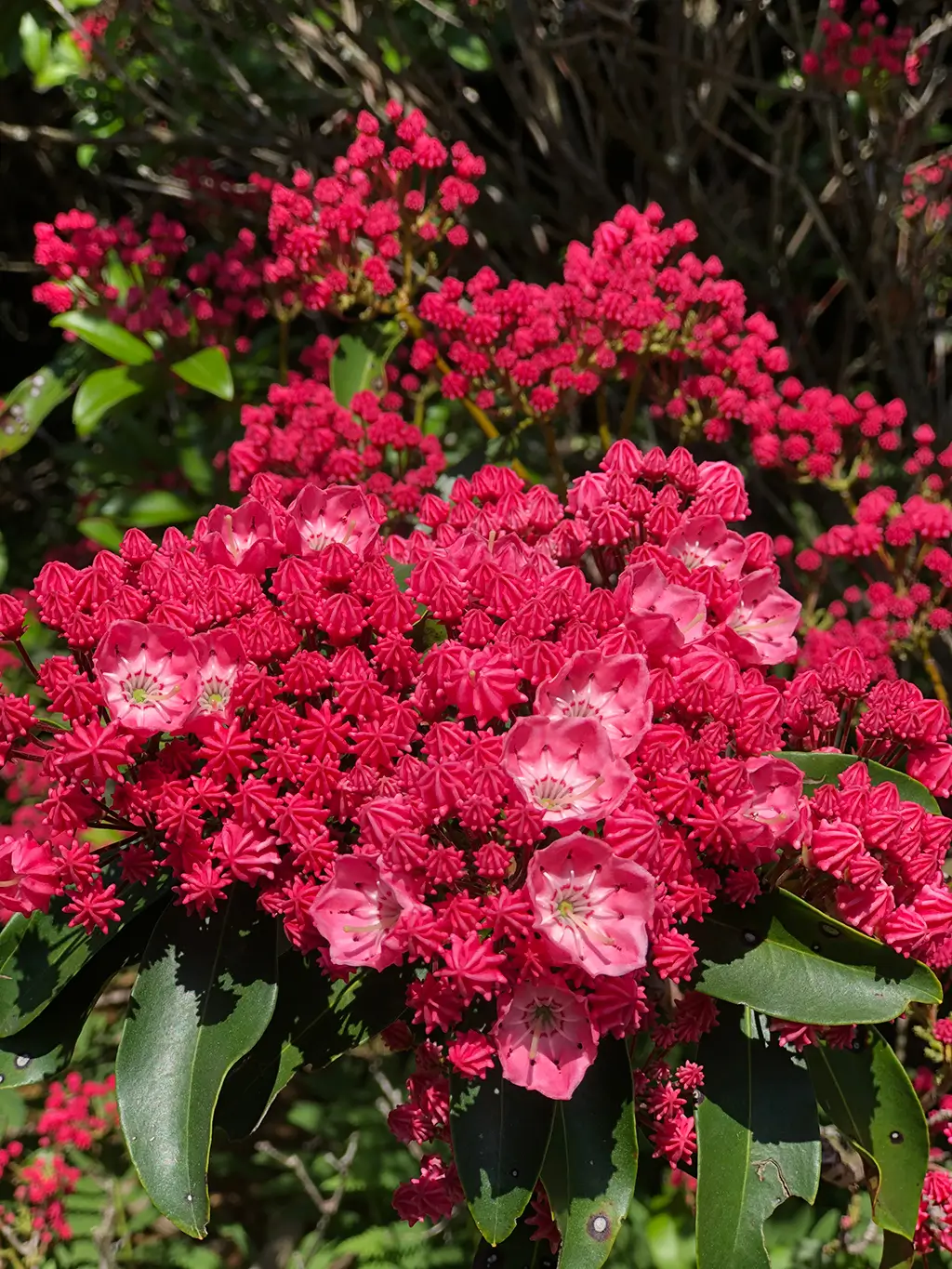
The right plants, carefully installed, do more than improve the look of a property. They reduce the ongoing cost and effort of keeping a landscape looking its best. Native plants are well-suited to local conditions, which means they typically require less intervention over time, perform more reliably season to season, and hold up better without constant replacement.
Growing Solutions creates beautiful, practical landscapes using native plants that are built to last in this part of Connecticut.
#1
#2
#3
#4
We’ll take a walk around your property and talk about our ideas. It’s a fun and open conversation – not a sales consultation! Fill out the form and we’ll be in contact!
Deciduous Trees
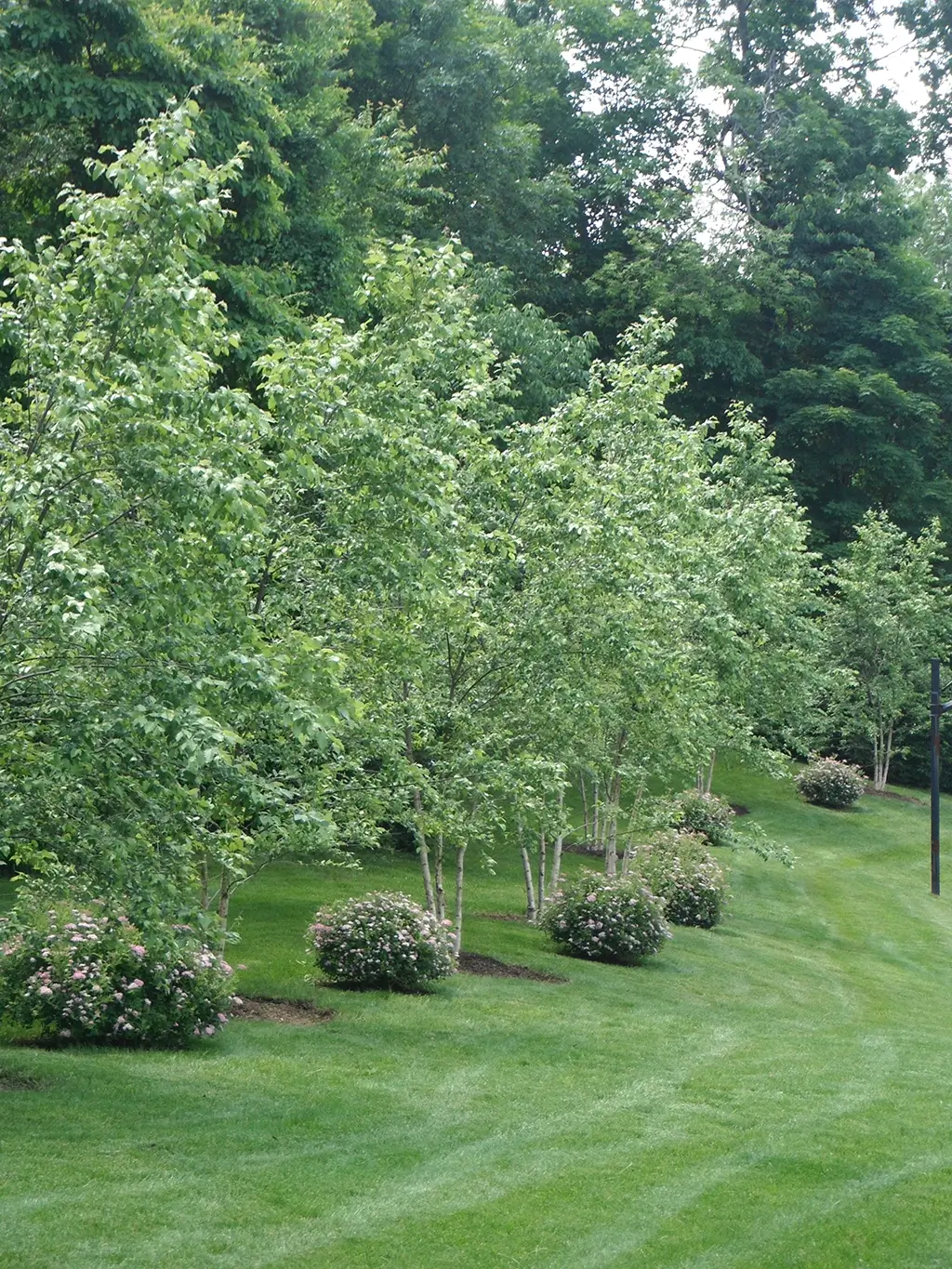
Shade trees like oaks, maples, and birches provide seasonal interest and canopy cover while supporting local wildlife. They are long-lived, well-suited to Connecticut’s climate, and add lasting structure to the landscape.
Evergreen Trees
Native evergreens such as Eastern white pine and Eastern red cedar offer year-round screening, wind protection, and visual weight. They are reliable performers in Connecticut conditions and require very little ongoing care once established.
Native Shrubs
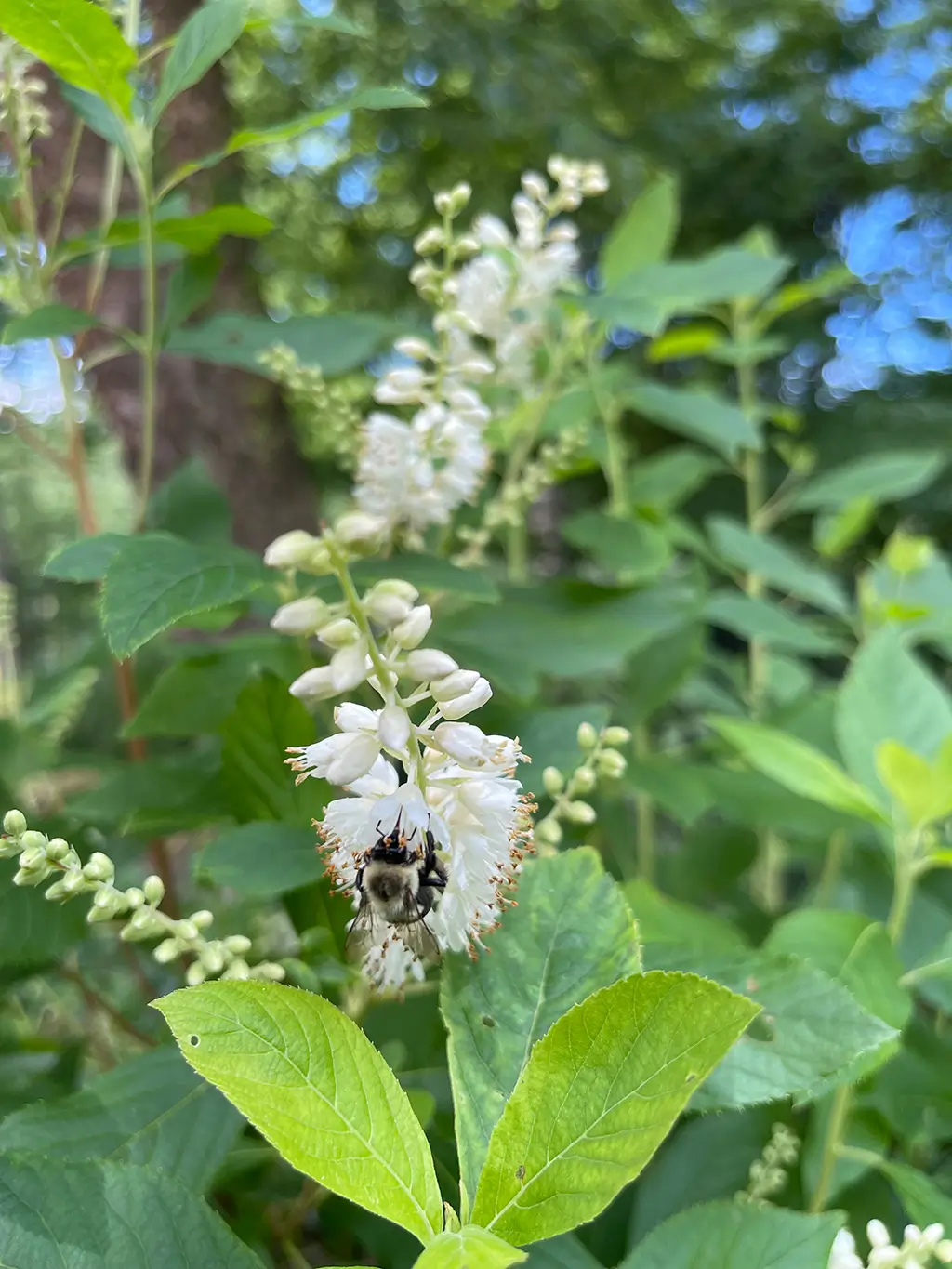
Shrubs like native viburnums, buttonbush, and inkberry provide multi-season interest through flowers, berries, and fall color. They are well-adapted to a range of site conditions and serve as the backbone of many native planting plans.
Perennials
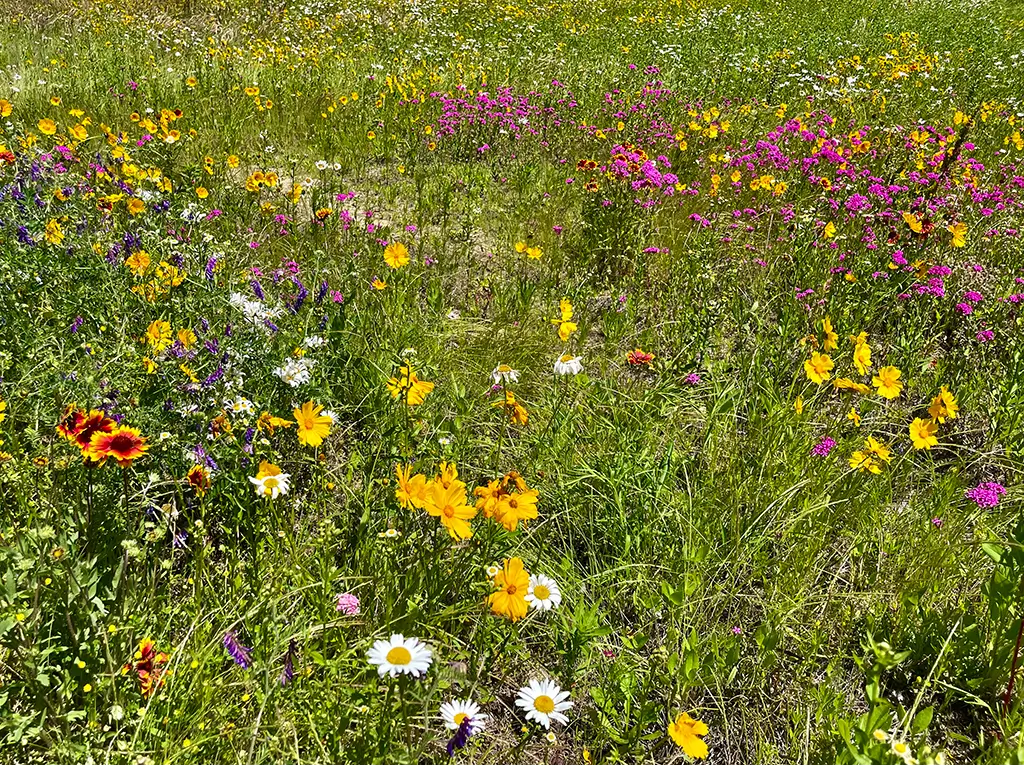
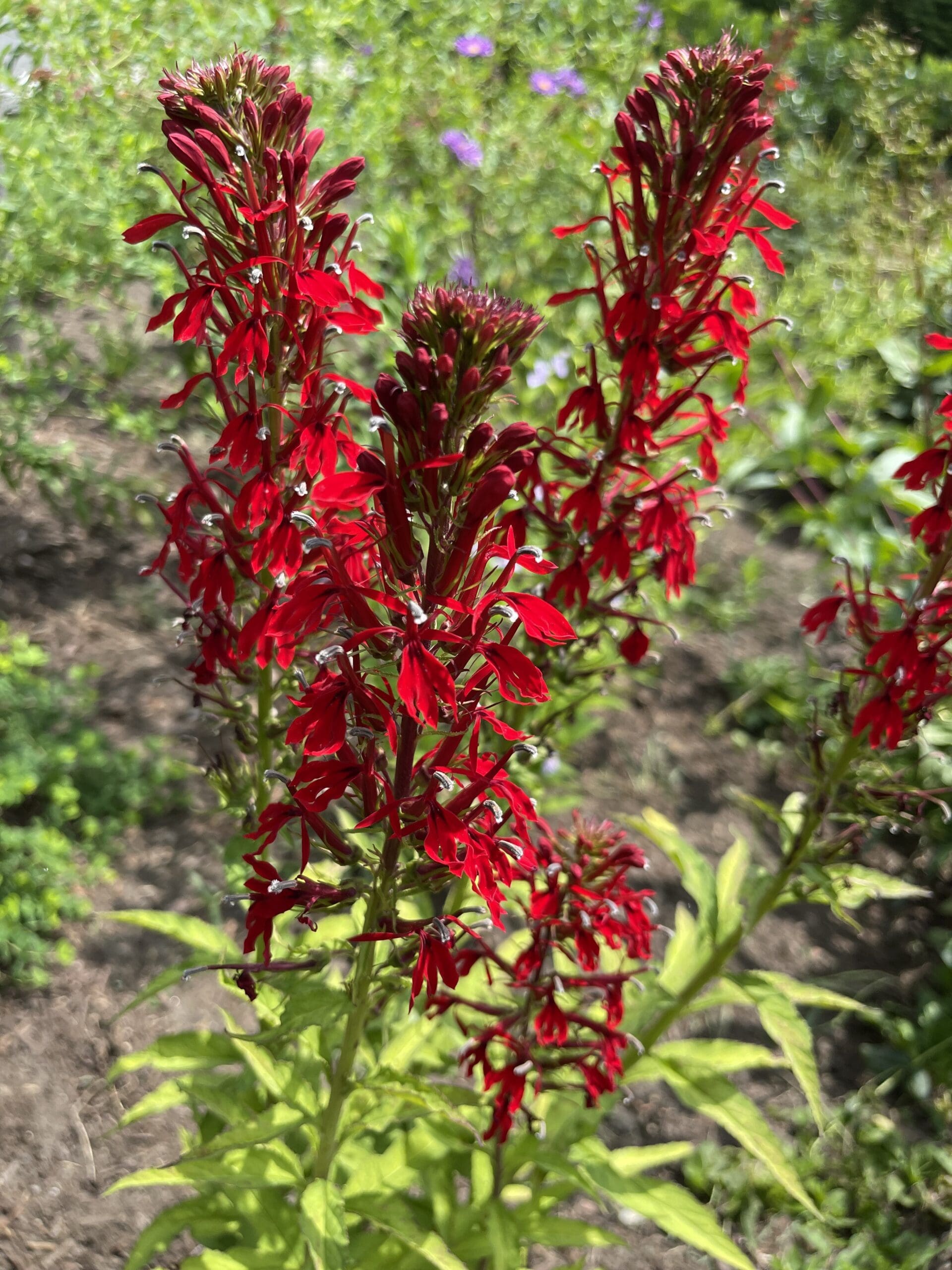
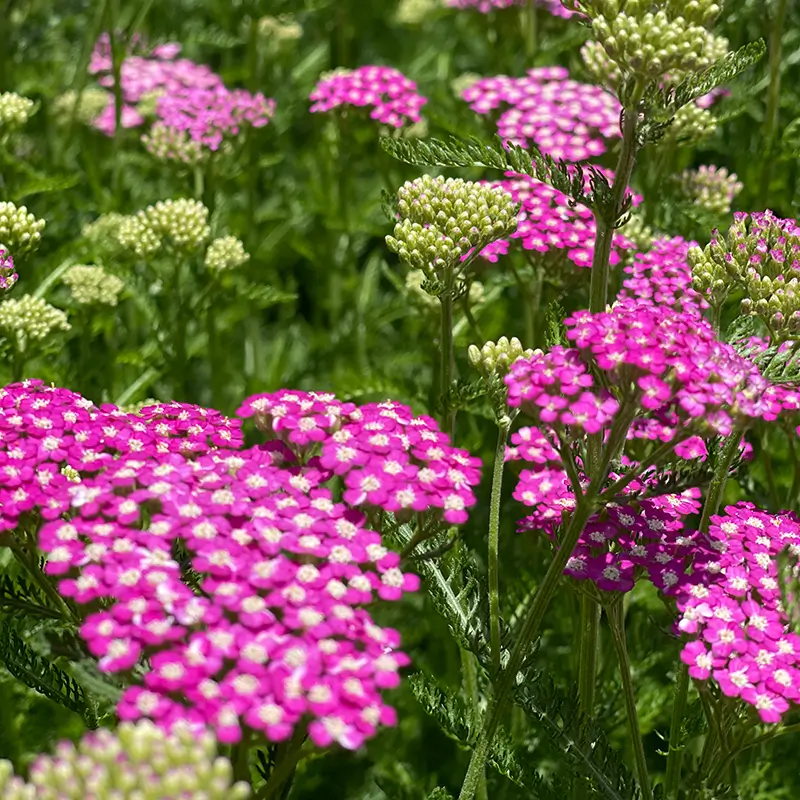
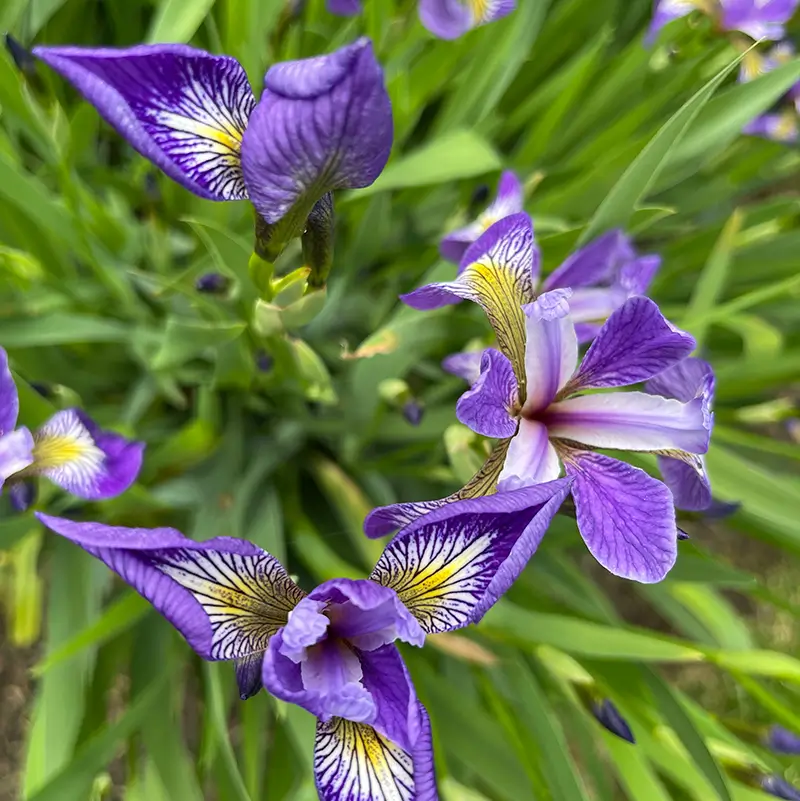
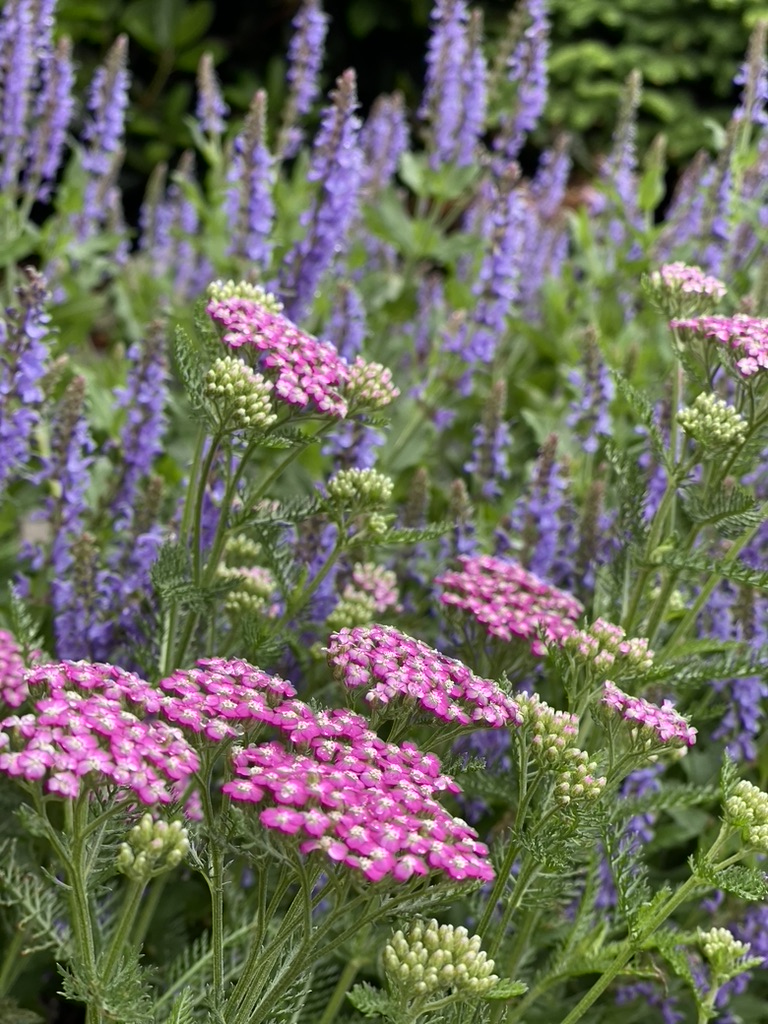
Native perennials such as black-eyed Susan, wild bergamot, and Joe-Pye weed return reliably each season without replanting. They fill out garden beds with color and texture while supporting pollinators throughout the growing season.
Groundcovers
Low-growing natives like wild ginger, golden groundsel, and creeping phlox are excellent for covering difficult areas where grass and other plants struggle. They reduce erosion, suppress weeds, and cut down on the need for ongoing bed maintenance.
Ornamental Grasses
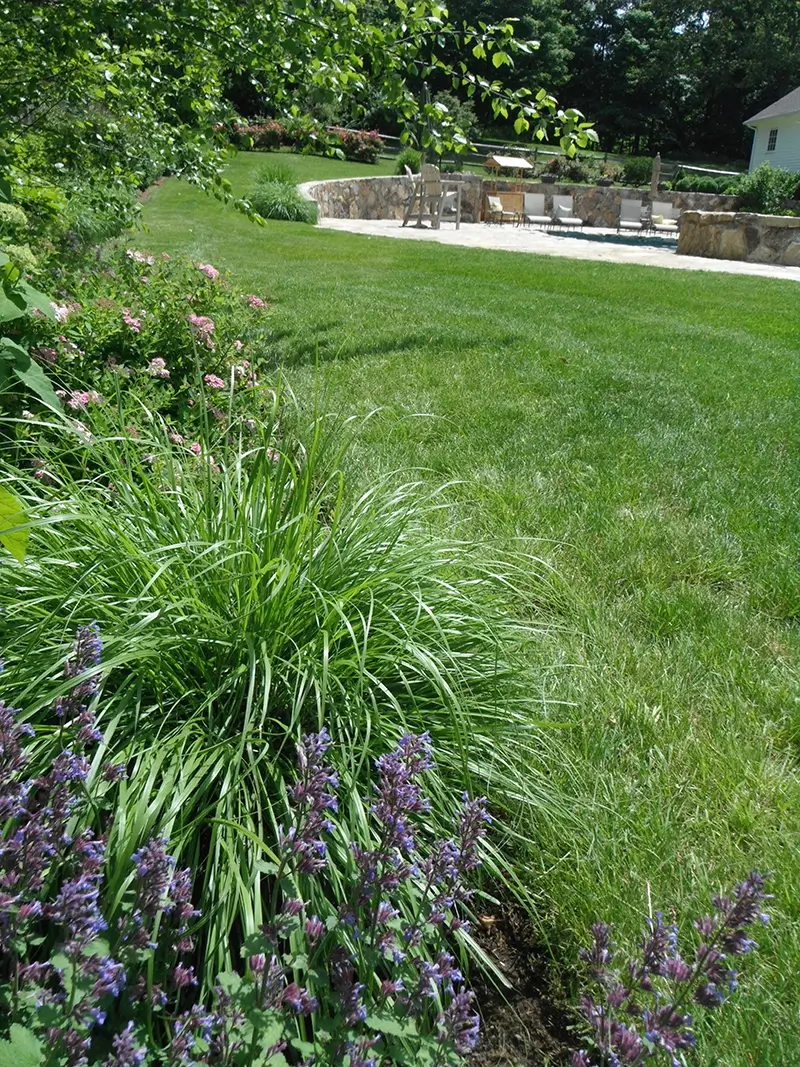
Native grasses such as little bluestem and switchgrass add movement, texture, and winter interest to the landscape. They are exceptionally low-maintenance once established and perform well in a variety of soil types.
Ferns
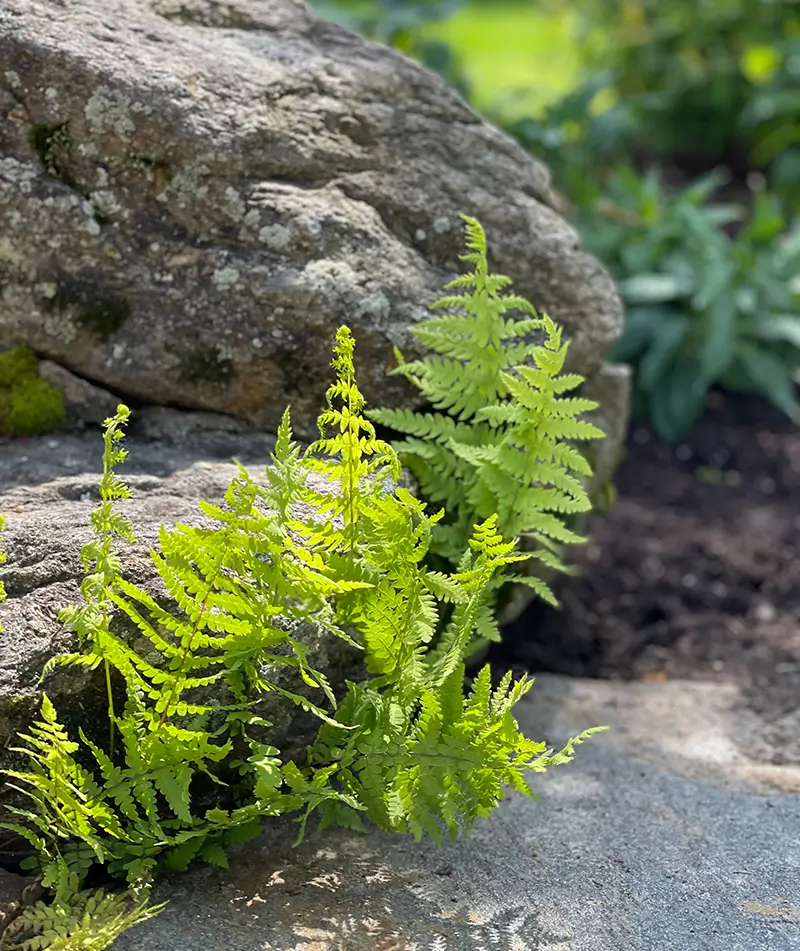
Native ferns including cinnamon fern and interrupted fern thrive in shaded, moist areas where many other plants fall short. They are a practical and attractive solution for problem areas under tree canopy or along shaded borders.
One of the strongest reasons homeowners choose native plants is the long-term reduction in maintenance and cost. Because these plants are adapted to Connecticut’s climate, soil conditions, and seasonal patterns, they generally require less watering, fewer amendments, and less frequent replacement than non-native alternatives. Over time, that adds up to real savings and fewer headaches.
Native plantings can also support pollinators and beneficial insects, and when designed well, they deliver a landscape that looks refined and purposeful rather than overgrown or informal. The goal is not a wild yard. It is a yard that works harder for you with less effort on your part.
For homeowners looking for a landscape that performs reliably, costs less to maintain over the long run, and looks great doing it, native planting is an excellent choice.

Horticulturist, Accredited Turf Manager,
Connecticut State Custom Grounds License

Landscape Designer
Connecticut Master Gardener
Growing Solutions Landscaping & Design has been helping homeowners in Ridgefield, Westport, Wilton, New Canaan and beyond with their land for the last 20 years. Our team has the ability to develop, collaborate and design your backyard or front yard to make your dreams a reality. Once your property is designed our team of masonry specialists, stone workers, gardeners and arborists will put the pieces in place.
Our Full Service Lawn Care Company will ease the burden of pruning your bushes, spraying for ticks and keeping your lawn properly maintained. You’ll often see our trucks and vans throughout the Connecticut on the way to help maintain a property of one of our clients.
Designing a native plant landscape that actually delivers on the promise of lower maintenance takes more than selecting a few plants off a list. It requires a thorough understanding of your site, its growing conditions, and how plants will work together as the landscape matures. Our team approaches native planting with both design quality and long-term performance in mind, so the finished result is beautiful, functional, and built to hold up well over time.
If you would like to incorporate native plants into your current landscape or develop a completely new planting plan, we can design something that works harder for your property from the start.
We would be happy to walk the property with you and talk through ideas for native planting that fit the site and the overall feel you want to create. Whether you are focused on reducing long-term maintenance, improving plant performance, or simply creating a landscape that looks great without the constant upkeep, we can help you explore the options. It is an open, relaxed conversation, not a sales consultation. Fill out the form and we will be in touch.
Growing Solutions Landscaping & Design provides native plant landscaping services throughout Lower Fairfield County, CT. Our team regularly works on properties in:
Westport – Weston – Ridgefield – New Canaan – Darien – Rowayton – Wilton
By focusing on this area, we are able to provide consistent service and thoughtful recommendations based on local growing conditions and landscape styles.
If your property is in a nearby town, feel free to reach out today. Depending on the location and scope of the project, we may still be able to help.
Request a Consultation | Call 203-403-6552
Native plant landscaping uses plants that naturally grow in the region or are well adapted to local growing conditions. The goal is to create a landscape that works with the site while supporting beauty, function, and ecological value.
No. Native plants can be arranged in many ways, from natural and informal to clean and structured. You might be surprised just how good a landscape with natural plants can look!
In many cases, yes. Because they are adapted to local conditions, native plants often require less watering, fewer soil amendments, and less frequent replacement than non-native species. A proper maintenance plan is still important, particularly in the early stages of establishment.
Yes. Native plants can often be added to an existing landscape without starting over, and in many cases, the transition can happen gradually.
Many native plants can help support bees, butterflies, and other pollinators; however, the level of attraction depends largely on the choice of species.
We look at sunlight, drainage, soil conditions, slope, surrounding plant material, and the style of the property.